RAWE Program for B.Sc. Agriculture students: a comprehensive overview
The Rural Agricultural Work Experience (RAWE) program is an integral part of the B.Sc. (Agriculture) degree course in India, aimed at providing students with hands-on experience and practical exposure to the challenges and realities of rural life and agricultural practices.
Bridging Knowledge with Nature
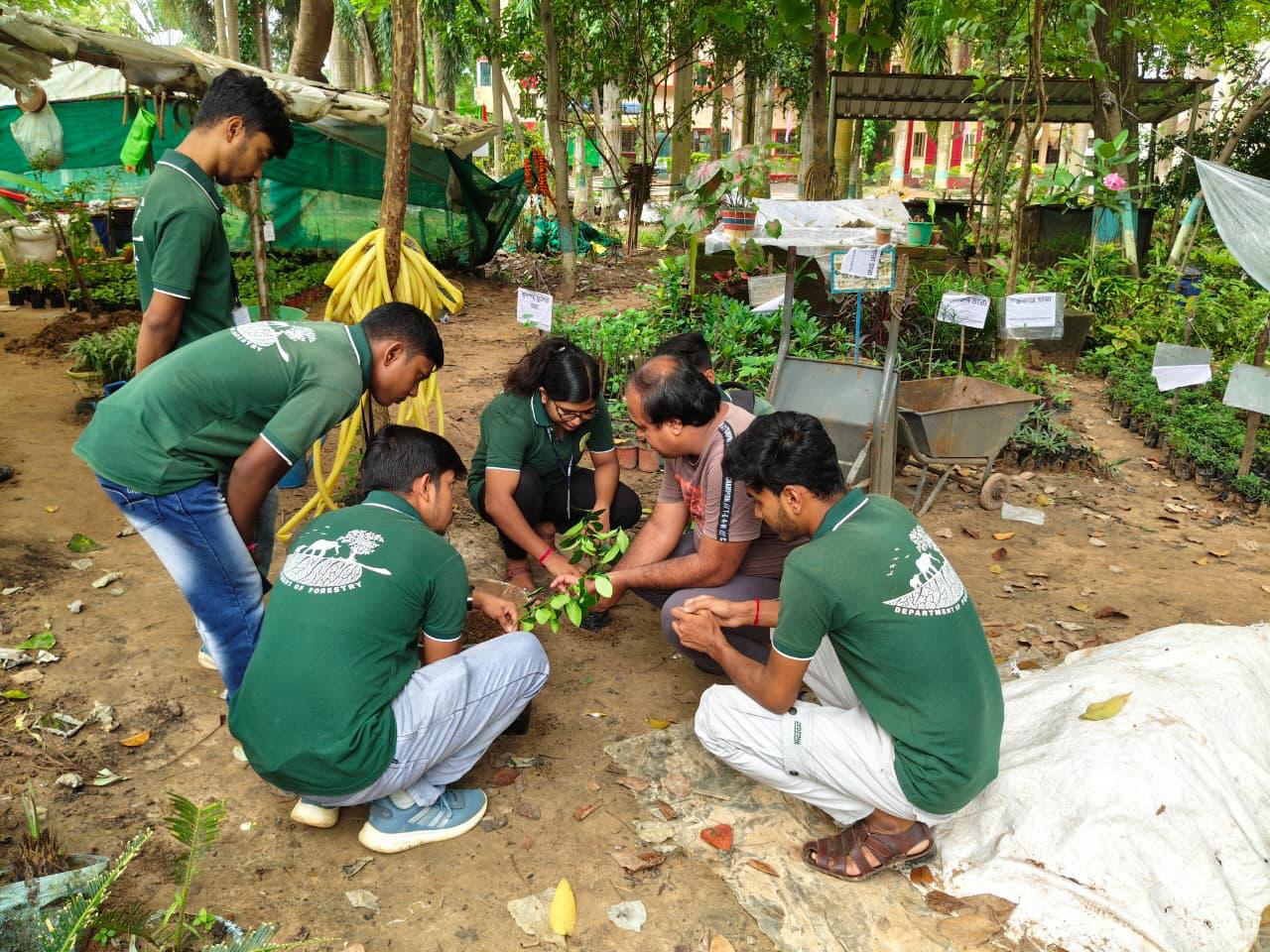
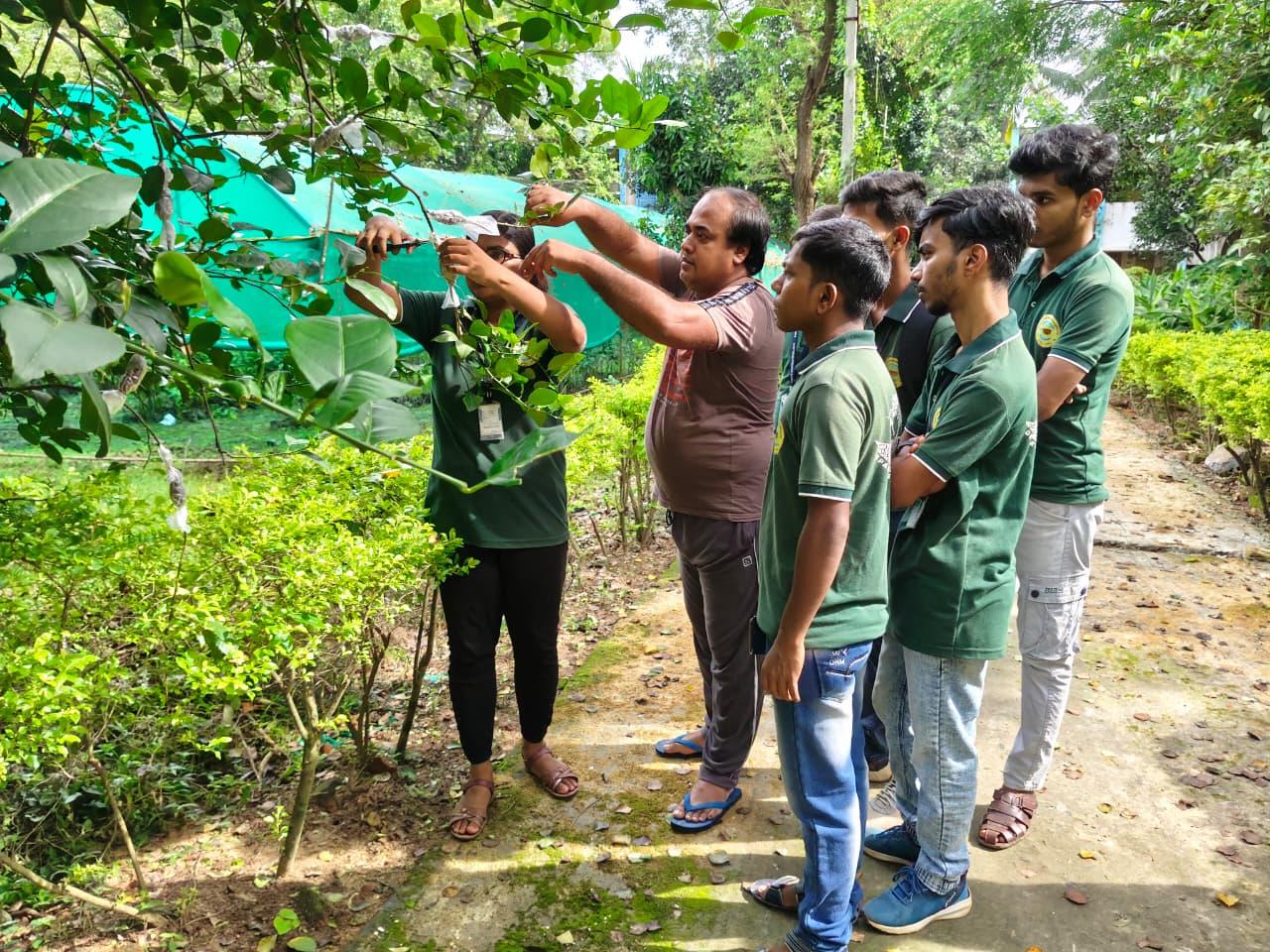
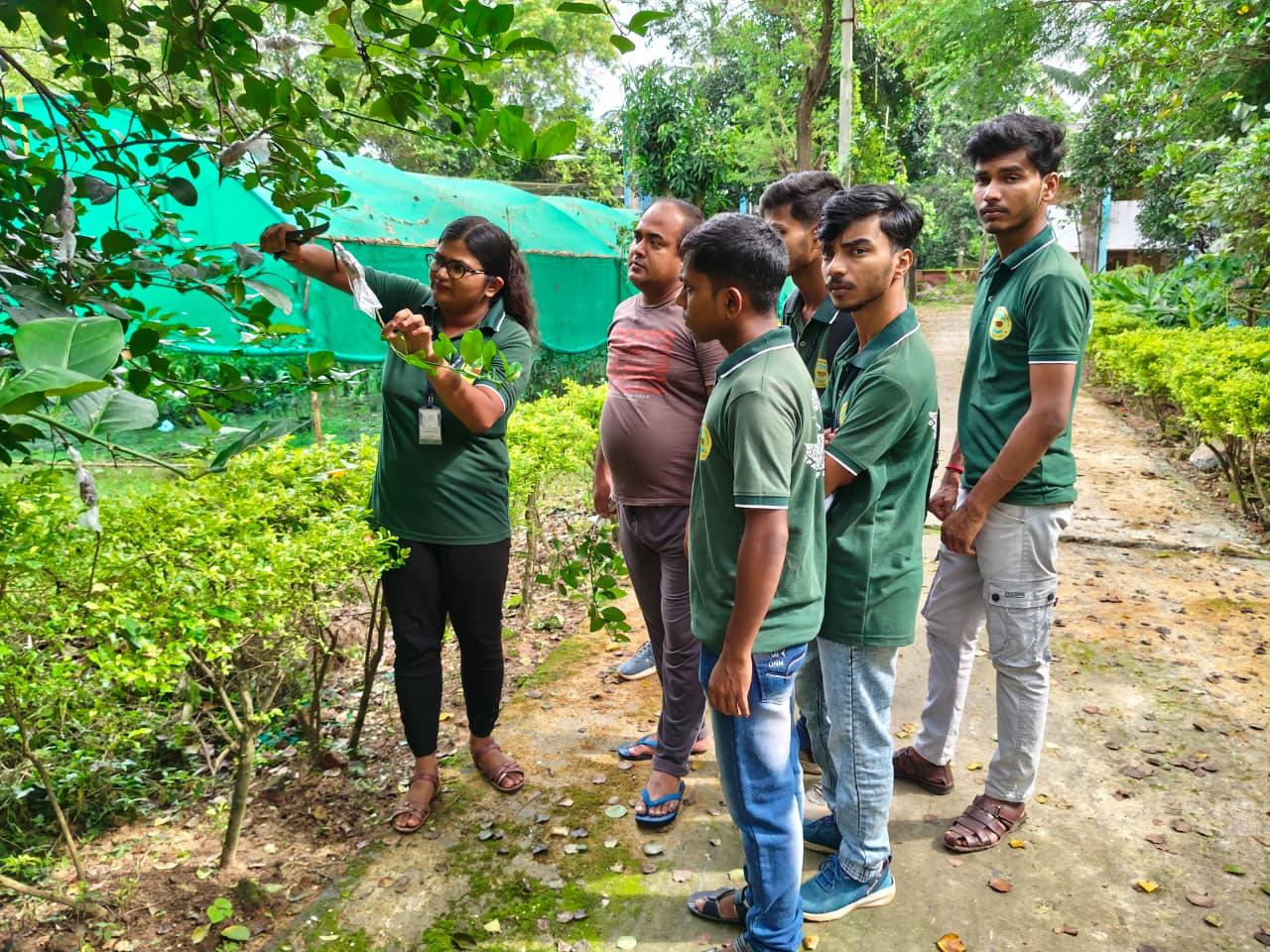
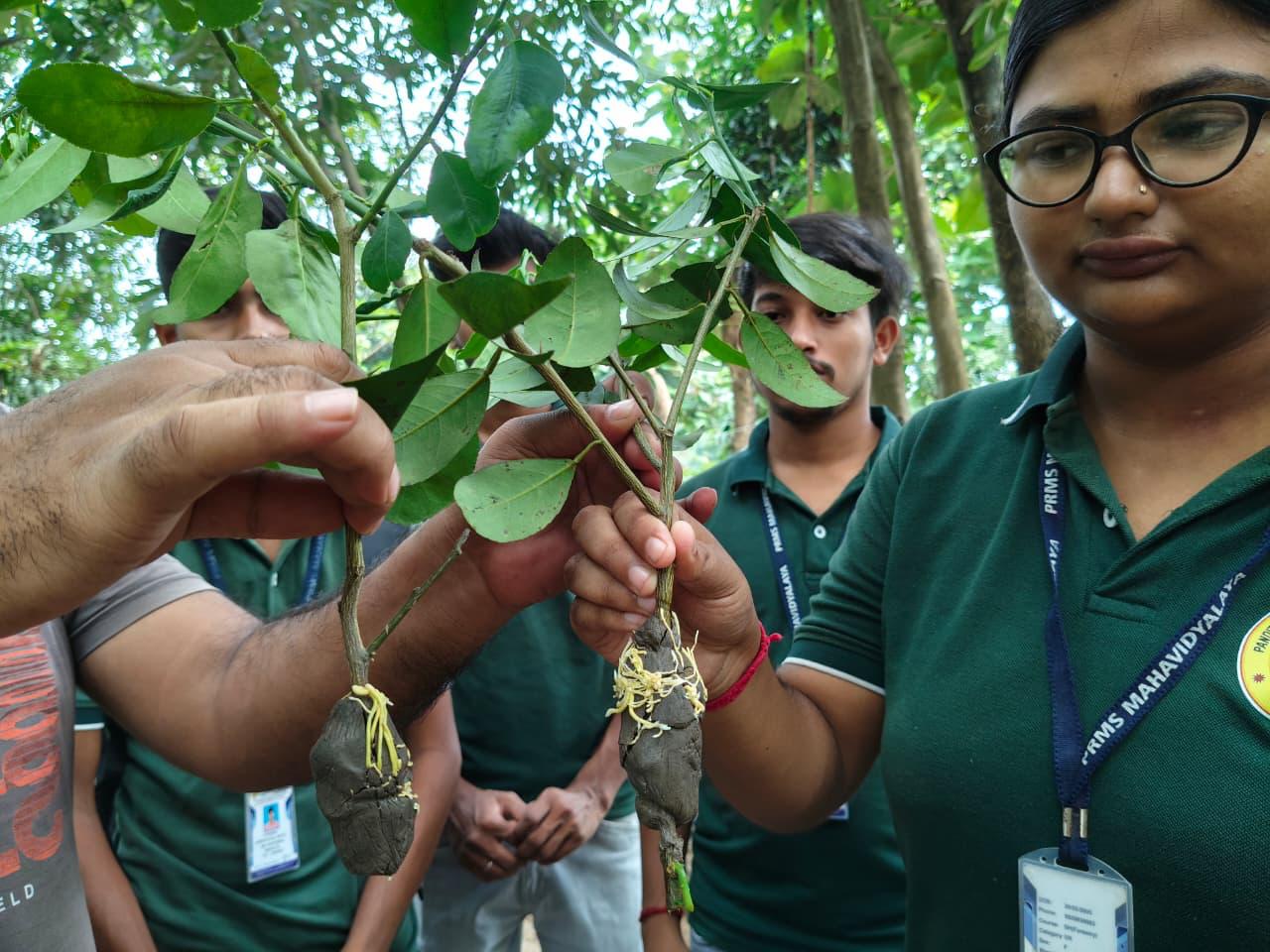
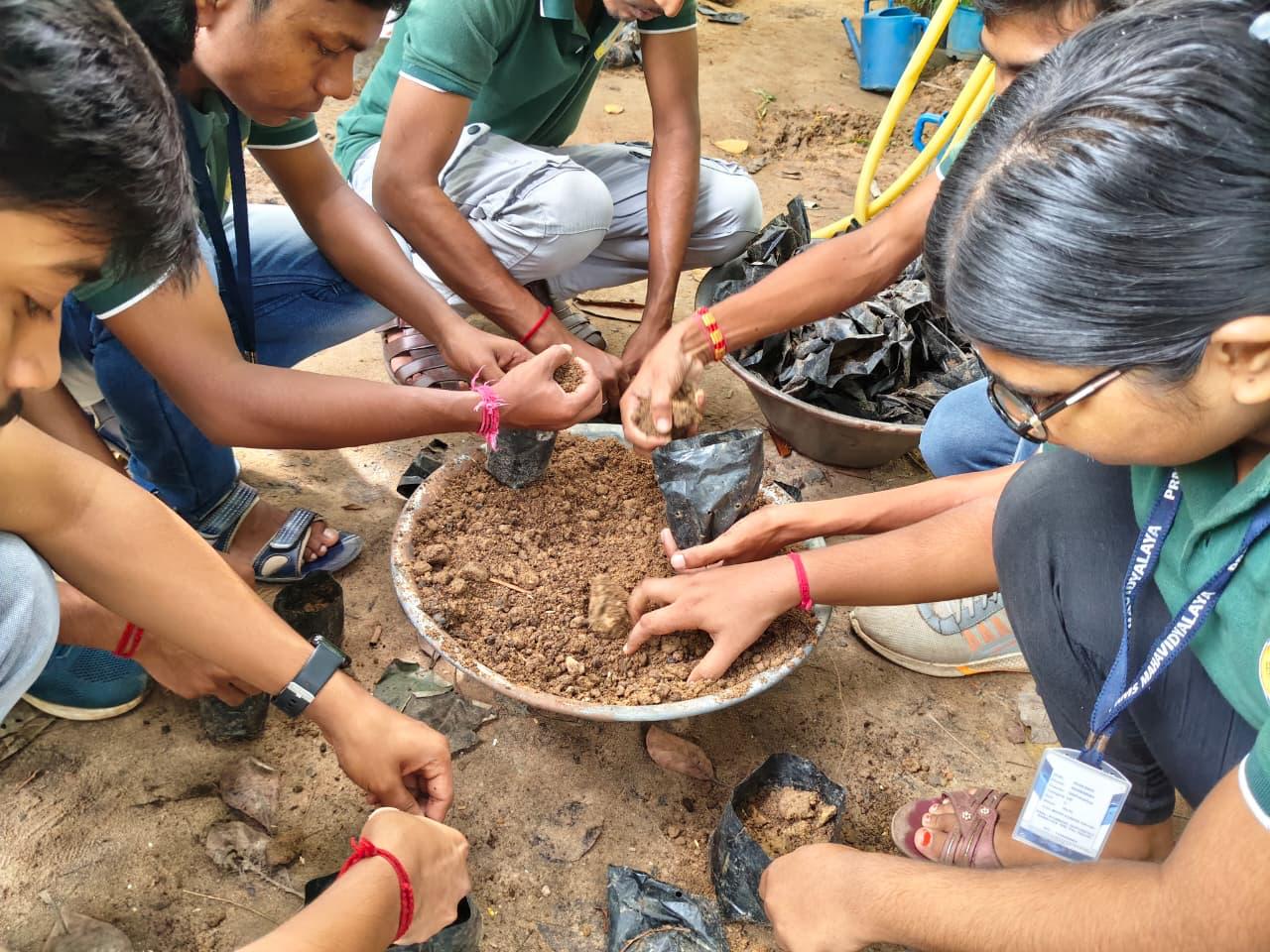
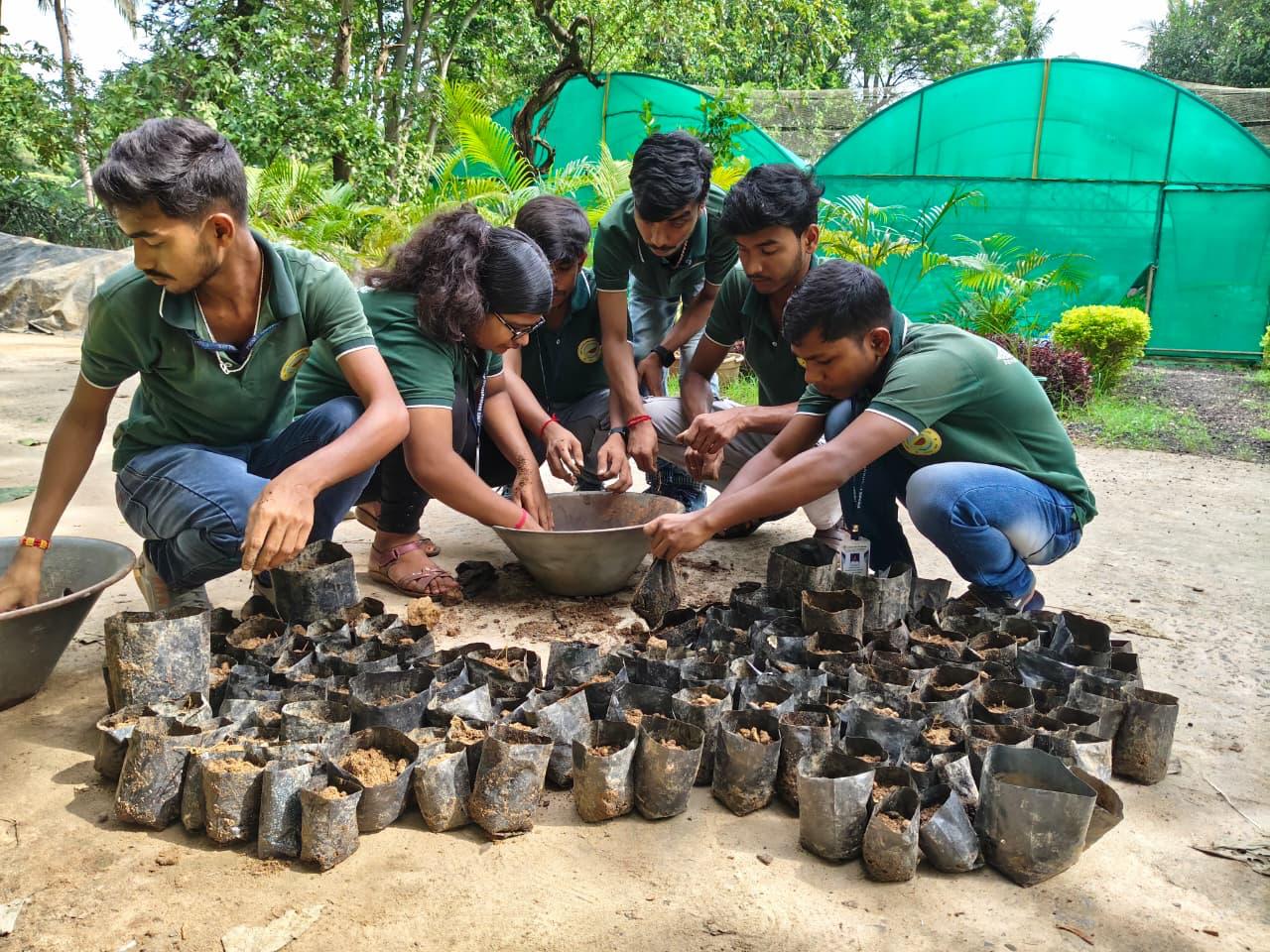
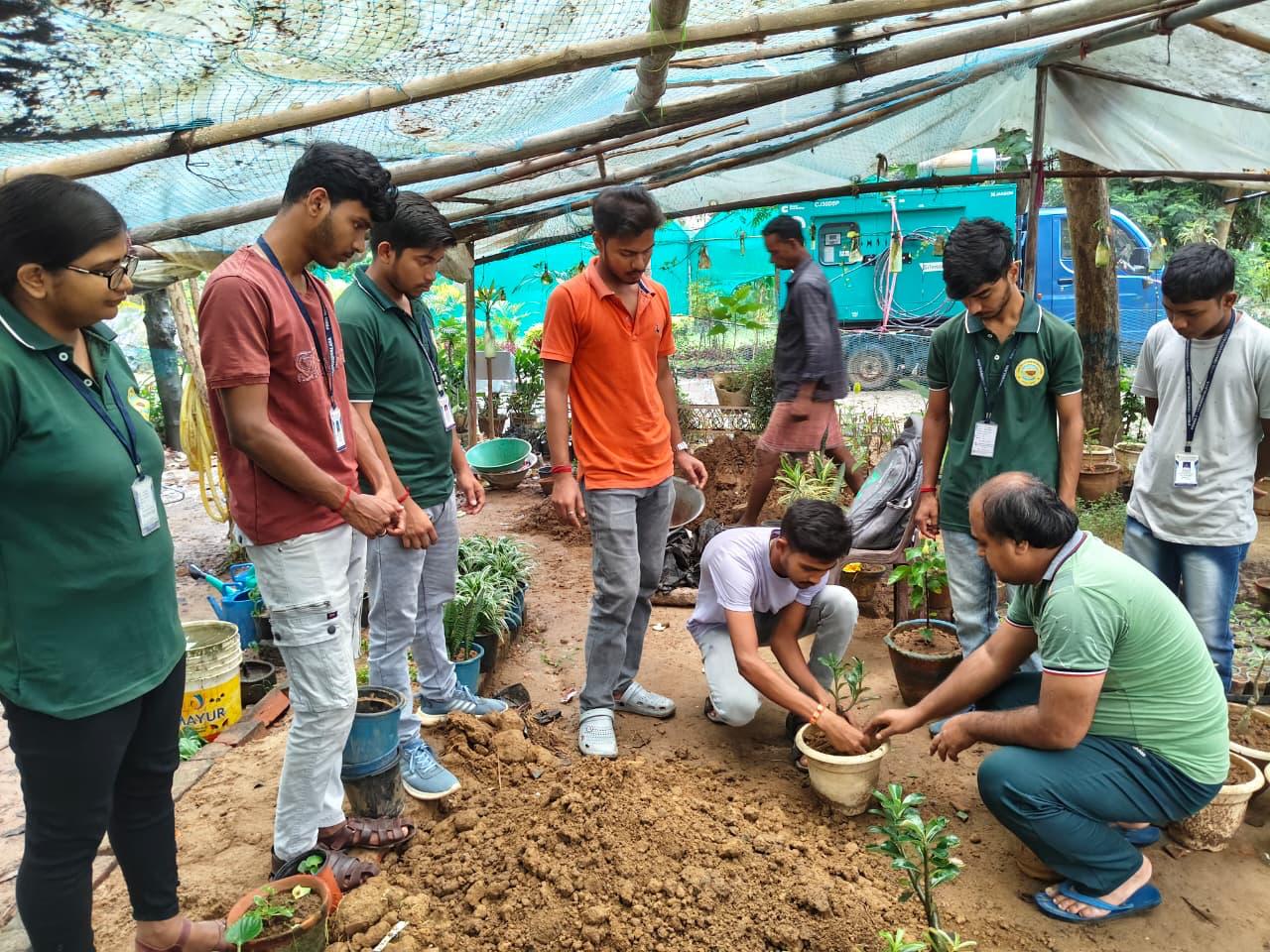
B.Sc. Forestry students engaged in a hands-on training session at WBCADC KVK Bankura- where Theoritcal insights meet practical experience. Cultivating skills, fostering sustainability.
Objectives of the RAWE program
- Understanding rural communities: Helping students understand the social, economic, and cultural dynamics of villages, including rural institutions and farmers' constraints.
- Familiarization with agricultural practices: Acquainting students with the current agricultural technologies, farming systems, and problems faced by farmers.
- Skill development: Imparting diagnostic and remedial practical training and skills in areas like crop production, horticulture, and plant protection.
- Technology transfer: Helping students understand the processes and programs involved in the transfer of agricultural technologies to rural communities.
- Entrepreneurship Development: Fostering entrepreneurial skills and preparing graduates for self-employment in agriculture and allied fields.
- Confidence building: Enhancing students' self-confidence and competence in addressing agricultural challenges and contributing to rural development.
Components of the RAWE program
The RAWE program typically involves the following stages and activities:
- Orientation and on-campus training: Introducing students to the program, sensitizing them to rural realities, and providing foundational training in areas like crop production technology, economic surveys, and extension education.
- Village Attachment: Students are placed in selected villages and reside with farm families, allowing them to immerse themselves in rural life, study farming practices, conduct surveys, identify problems, and participate in extension activities under the supervision of teachers and scientists.
- Attachment to KVKs/Research Stations: Students work alongside Krishi Vigyan Kendras (KVKs) and Agricultural Research Stations, gaining exposure to research and development initiatives, understanding farmer needs, and learning about recent advancements in training and research.
- Agro-industrial Attachment: Students gain experience in the industrial environment by attaching to agro-industries, processing centers, or progressive farmers, learning about various aspects of agri-business, including production, processing, marketing, and entrepreneurship.
- Report Writing, Presentations, and Evaluation: Students document their observations, analyze the data collected, prepare project reports based on their experiences, and present their findings, followed by evaluation by internal and external committees.
Duration and structure
The RAWE program typically runs for a semester, often coinciding with the main cropping season (e.g., Kharif season in West Bengal). The workload can be broken down into various attachments and activities over the weeks, as seen in the example timetable from The Neotia University.
Evaluation
Student performance in the RAWE program is evaluated based on:
- Attendance and diligence: Student presence and attentiveness during the program.
- Work diary: Daily record of work activities and observations.
- Practical record/Project report: Detailed reports on tasks carried out, procedures followed, and impact achieved.
- Performance during placements: Assessment by course teachers and host institutions.
- Group Discussion/Presentation: Evaluation of students' participation and presentation of their work and experiences.
The RAWE program plays a vital role in bridging the gap between theoretical knowledge and practical application, preparing B.Sc. (Agriculture) graduates with the skills, confidence, and understanding needed to thrive in the agricultural sector and contribute to rural development.
Activities of our RAWE students