Krishi Vigyan Kendras (KVK) - bridging the gap between research and farms
Krishi Vigyan Kendras (KVKs), also known as "Farm Science Centres", are agricultural extension centers established by the Indian Council of Agricultural Research (ICAR) at the district level throughout India. There are currently more than 700 KVKs functioning across the country. They are funded entirely by the Government of India.
The primary goal of KVKs is to transfer the latest agricultural research findings and technologies to farmers in a localized and practical manner. They act as a crucial link between agricultural researchers, extension personnel, and farmers, bridging the gap between scientific knowledge and on-ground application.
Key functions and activities
KVKs undertake a range of activities to achieve their objectives:
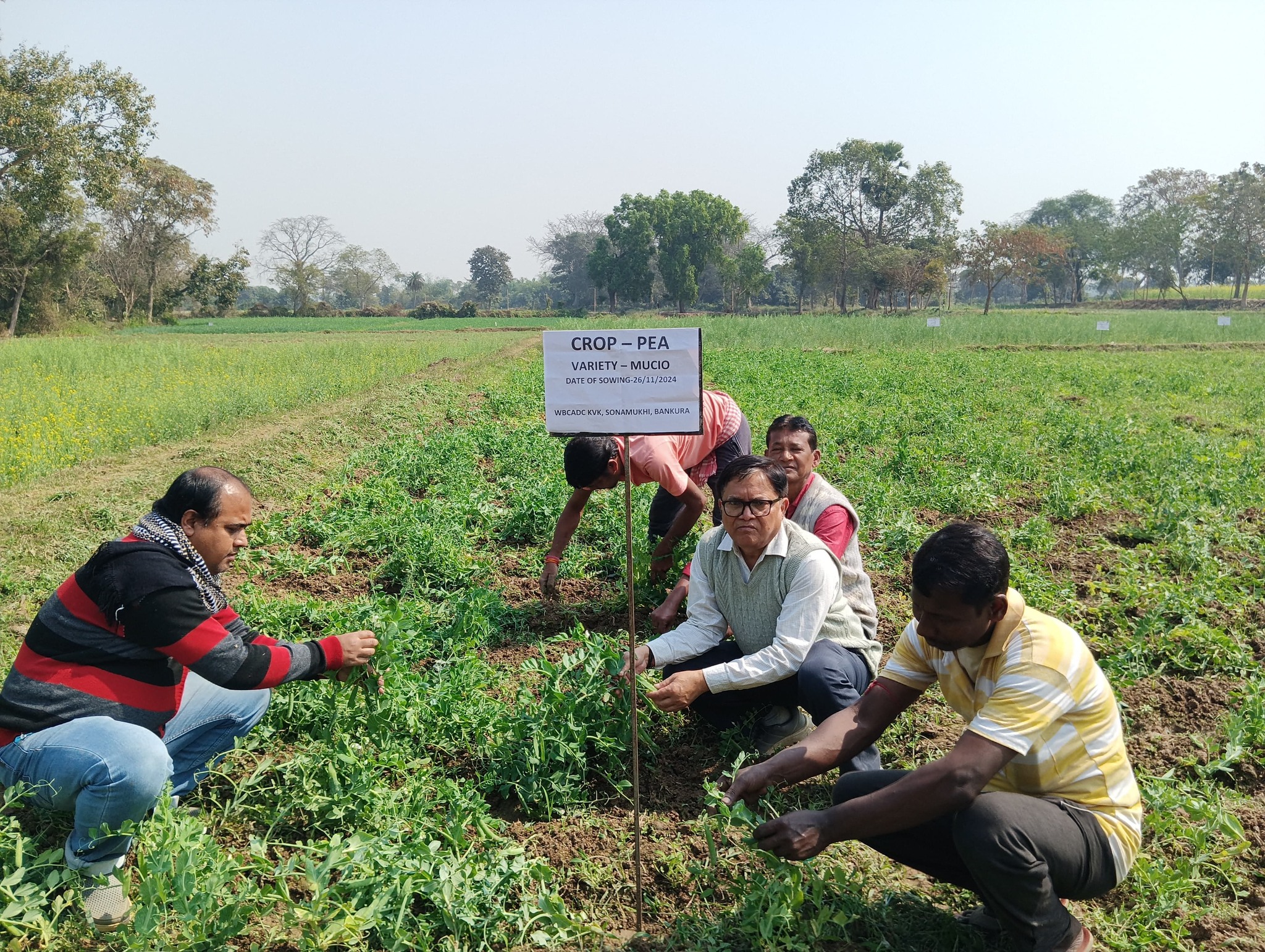
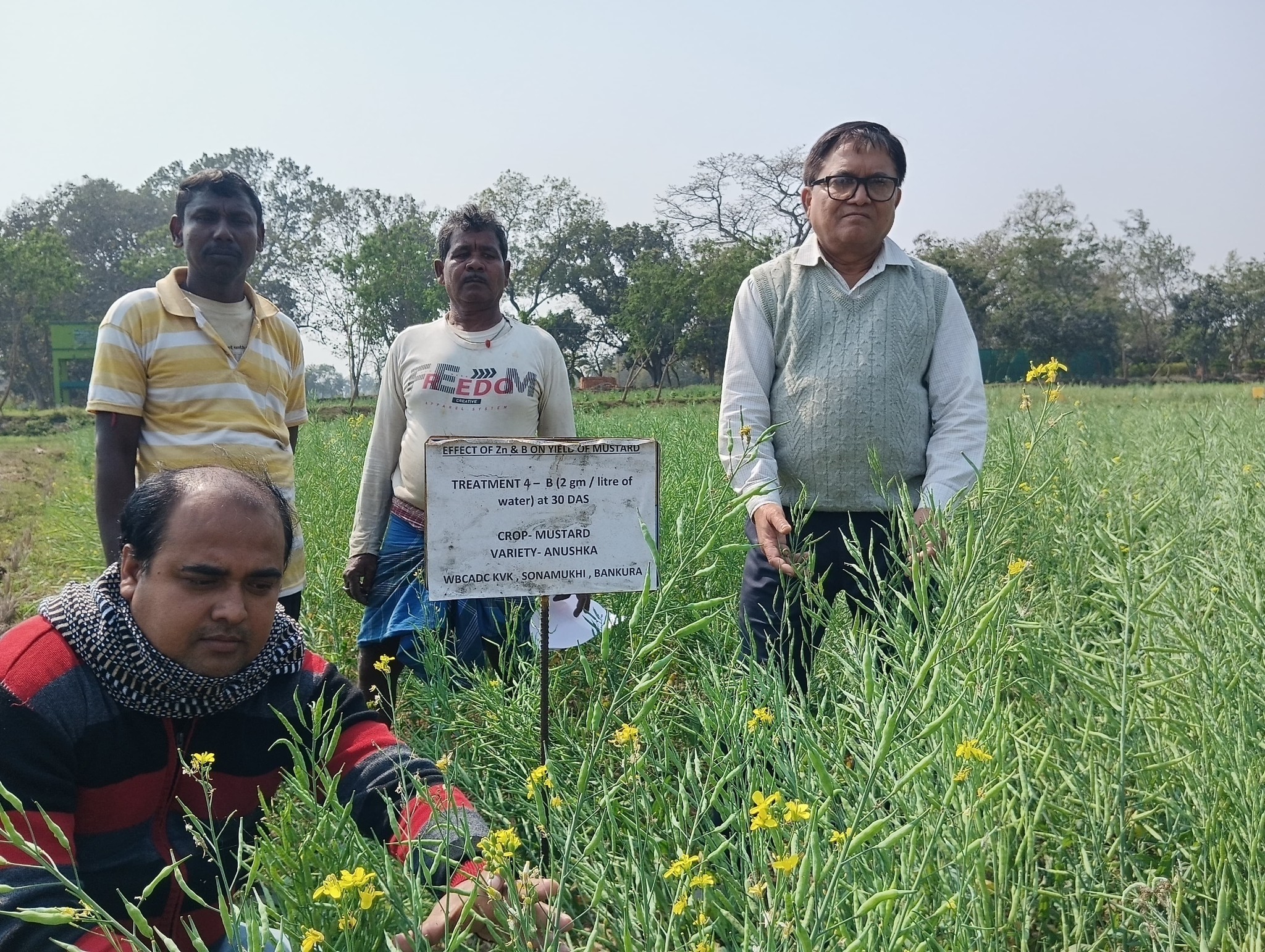
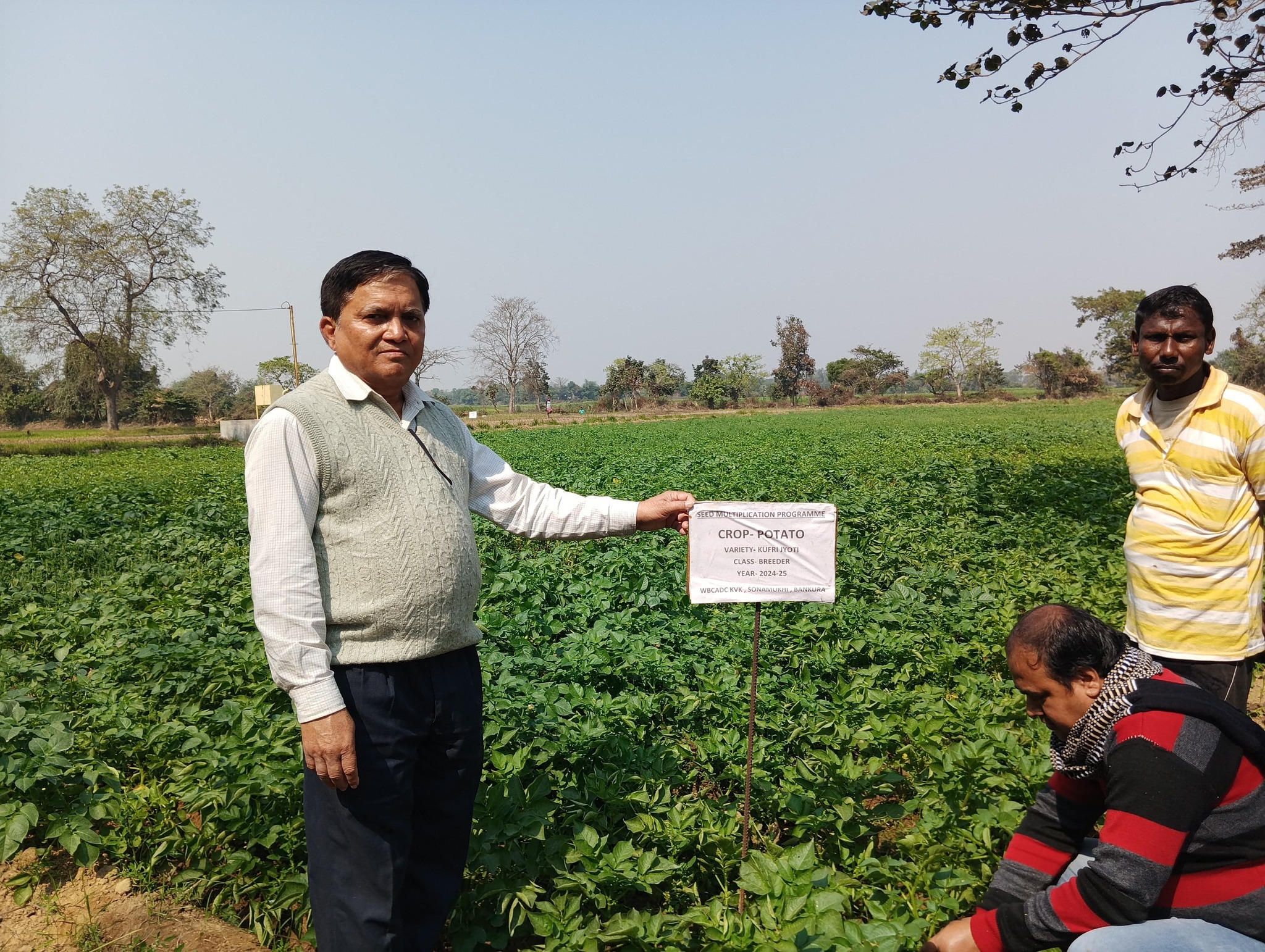
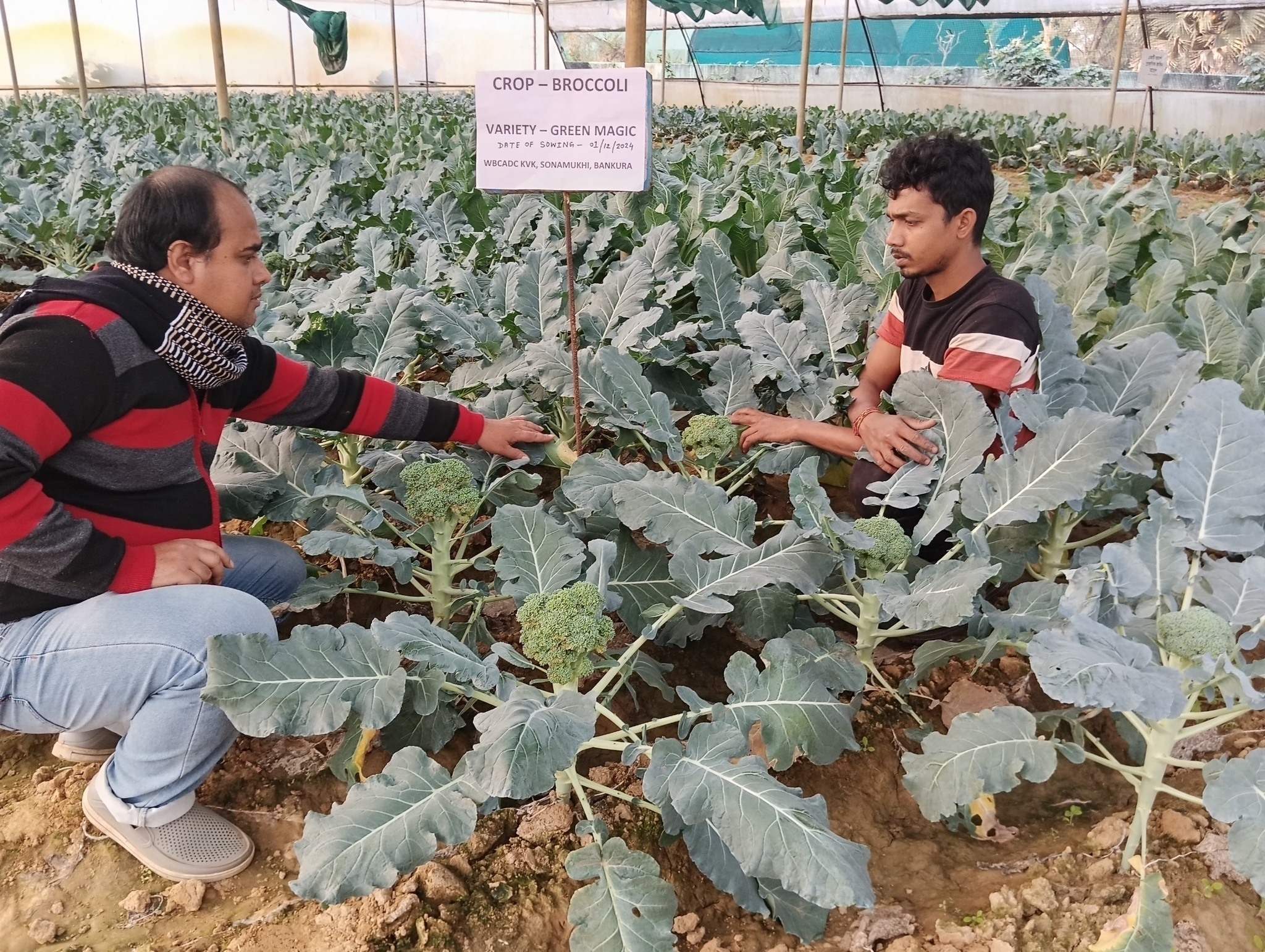
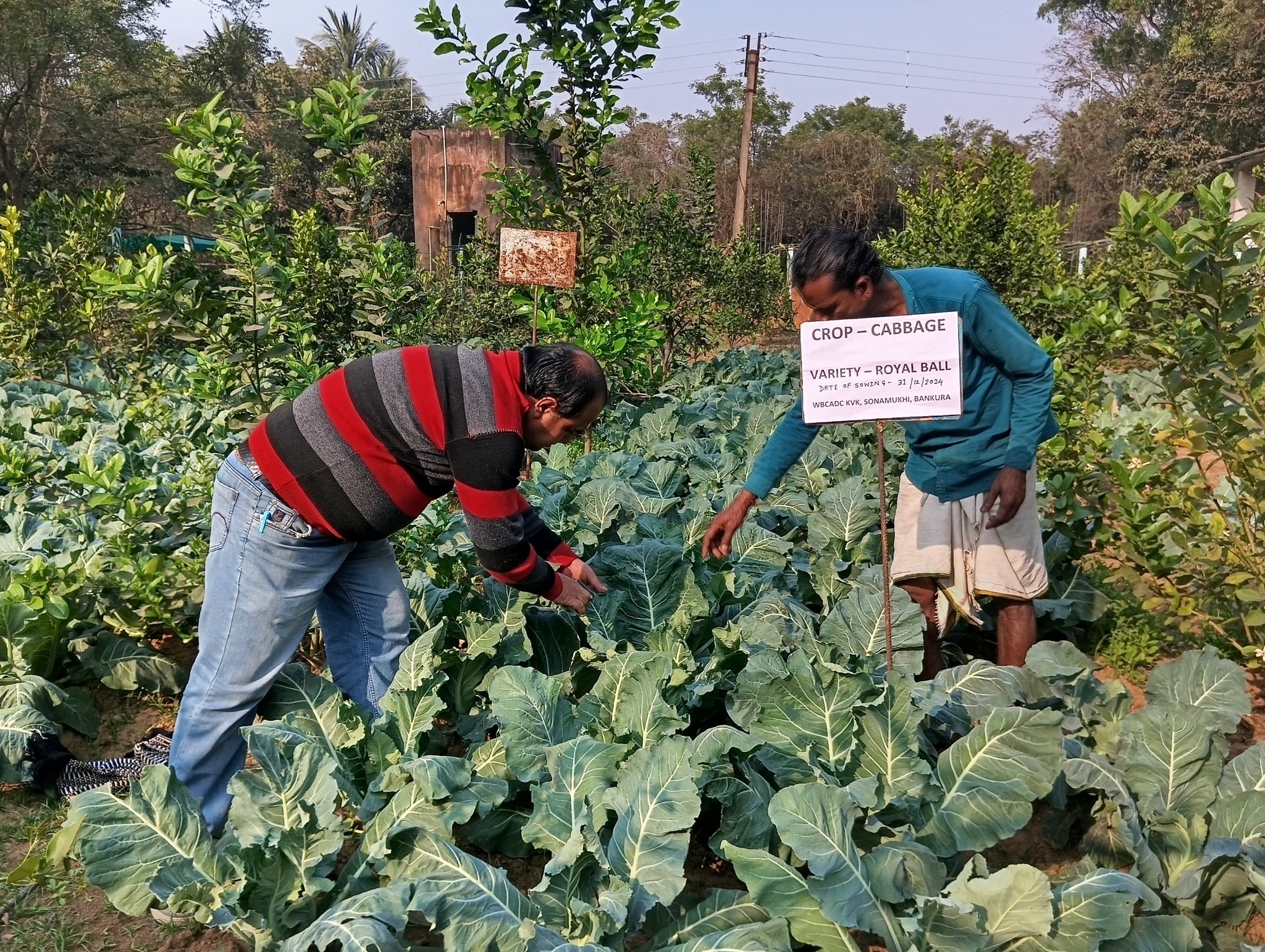
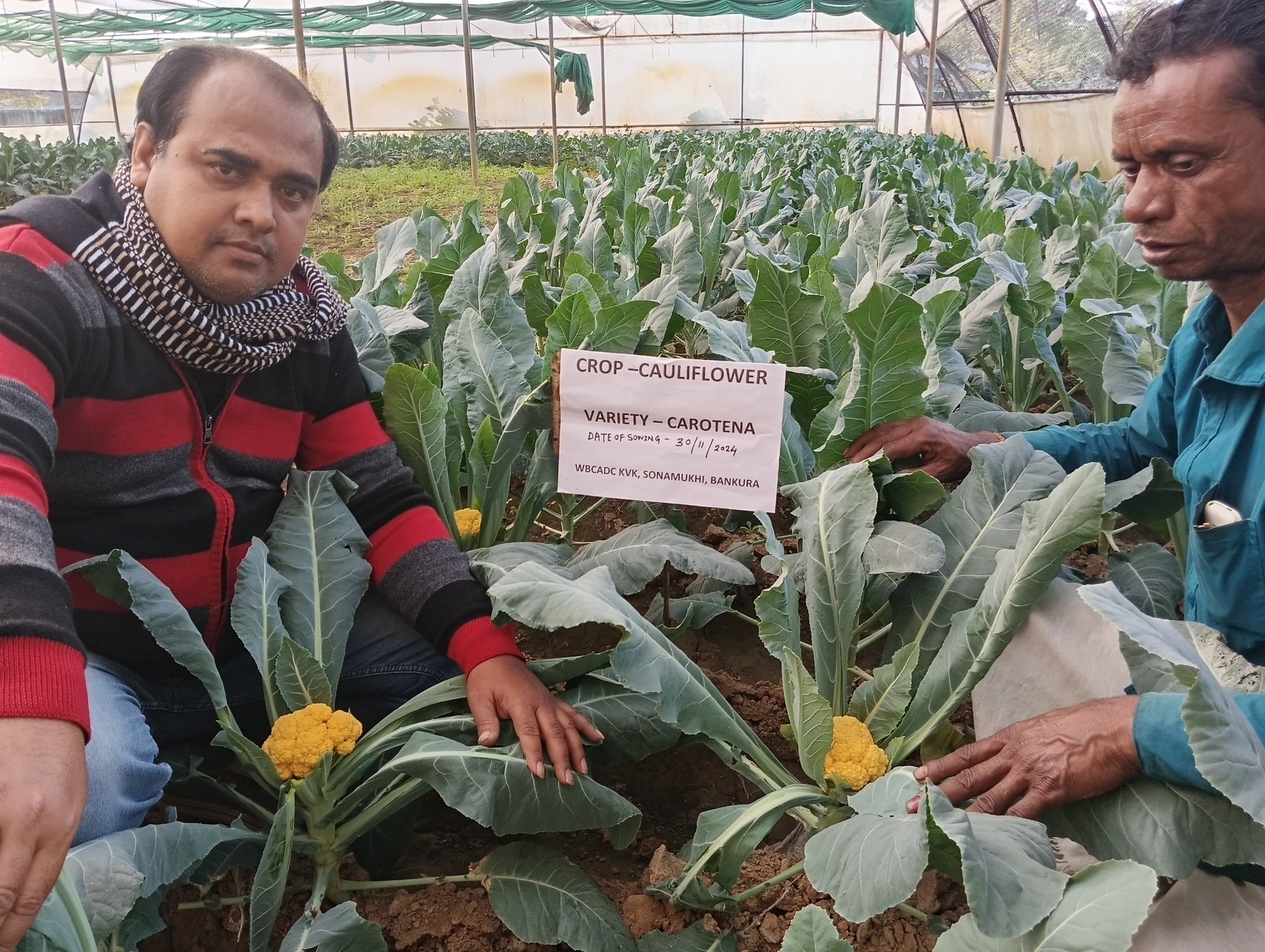
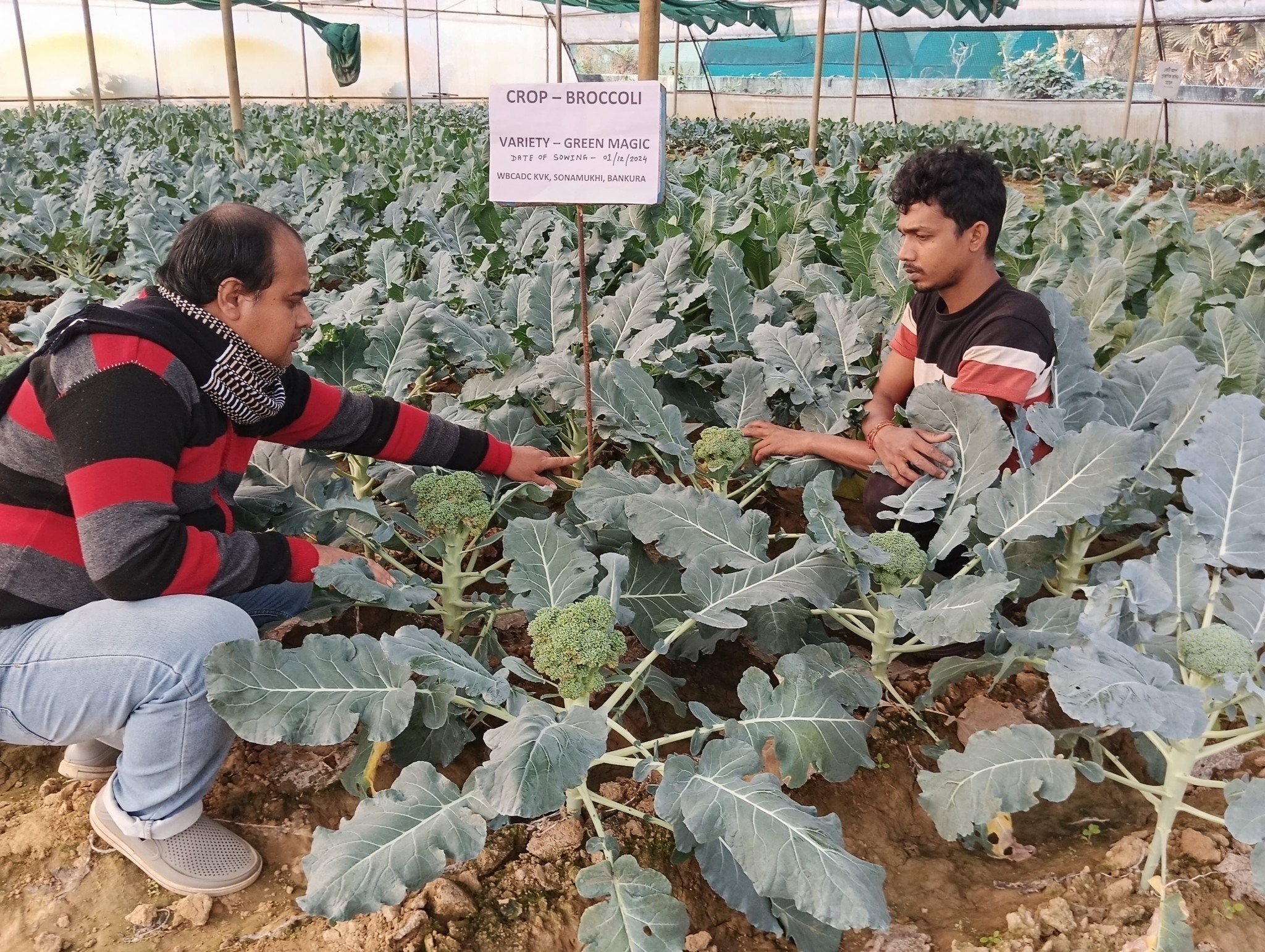
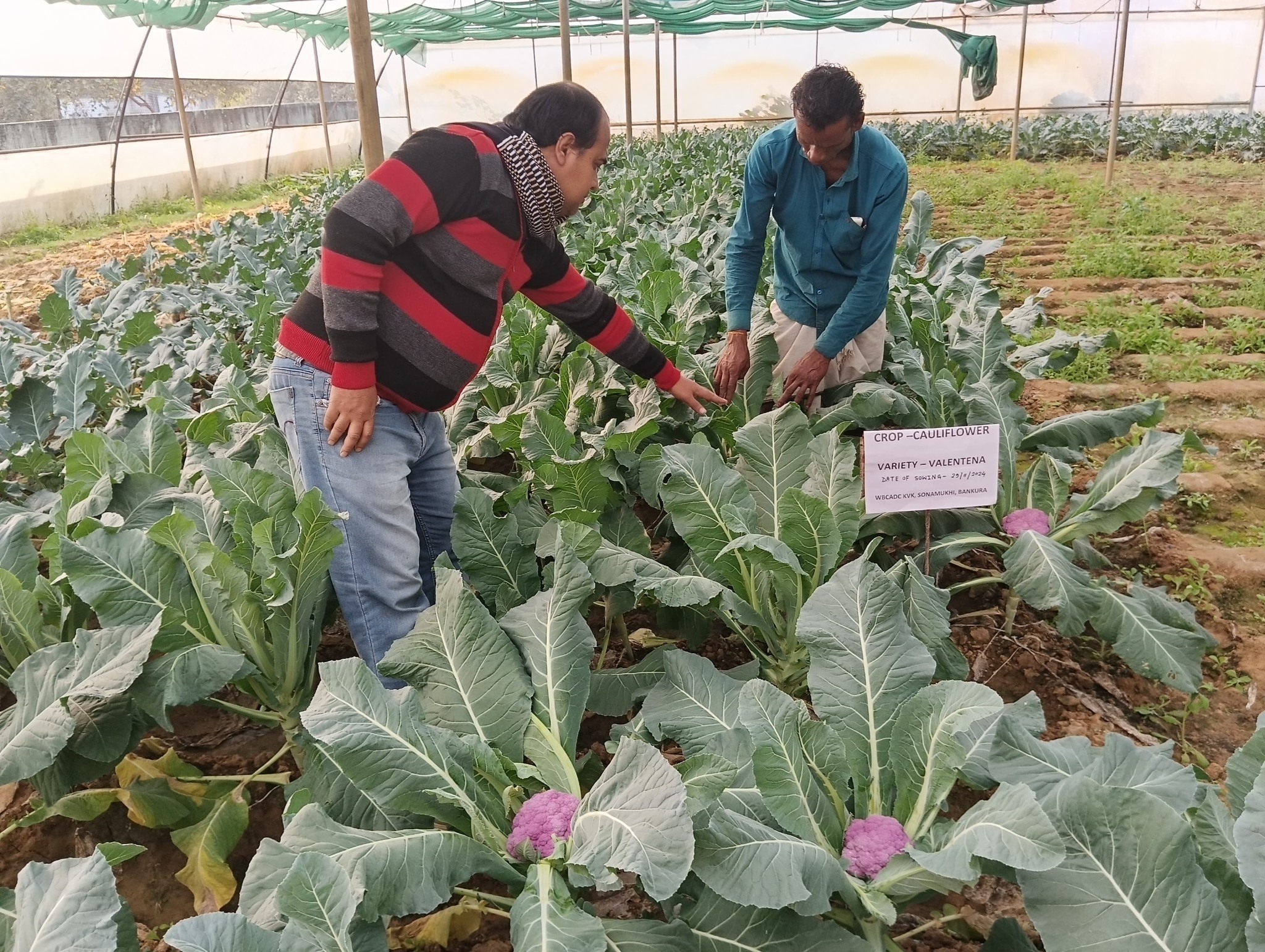
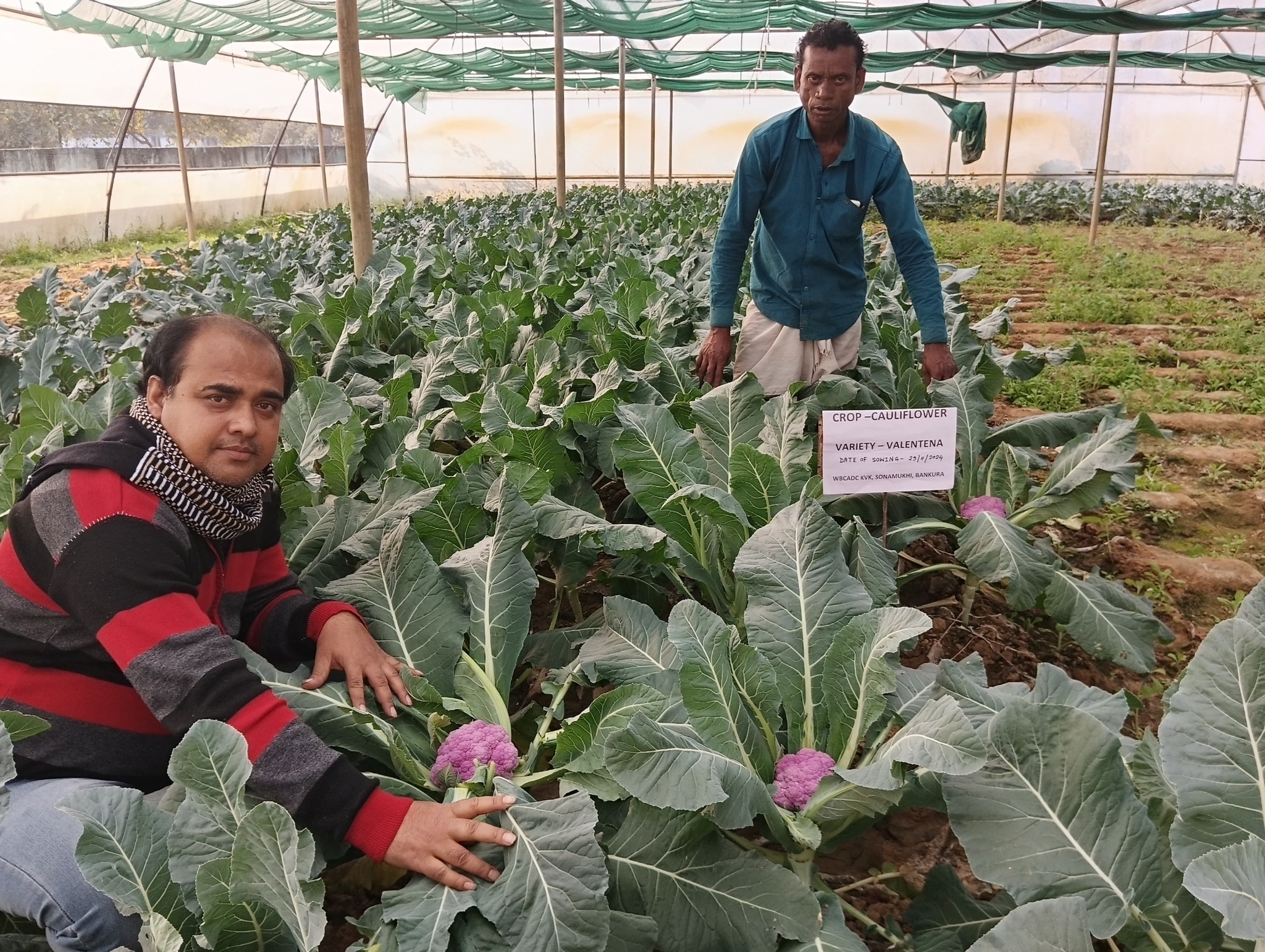
On-Farm Testing (OFT): They conduct trials on farmers' fields to evaluate and refine new agricultural technologies, crops, and practices, ensuring their suitability for local conditions.
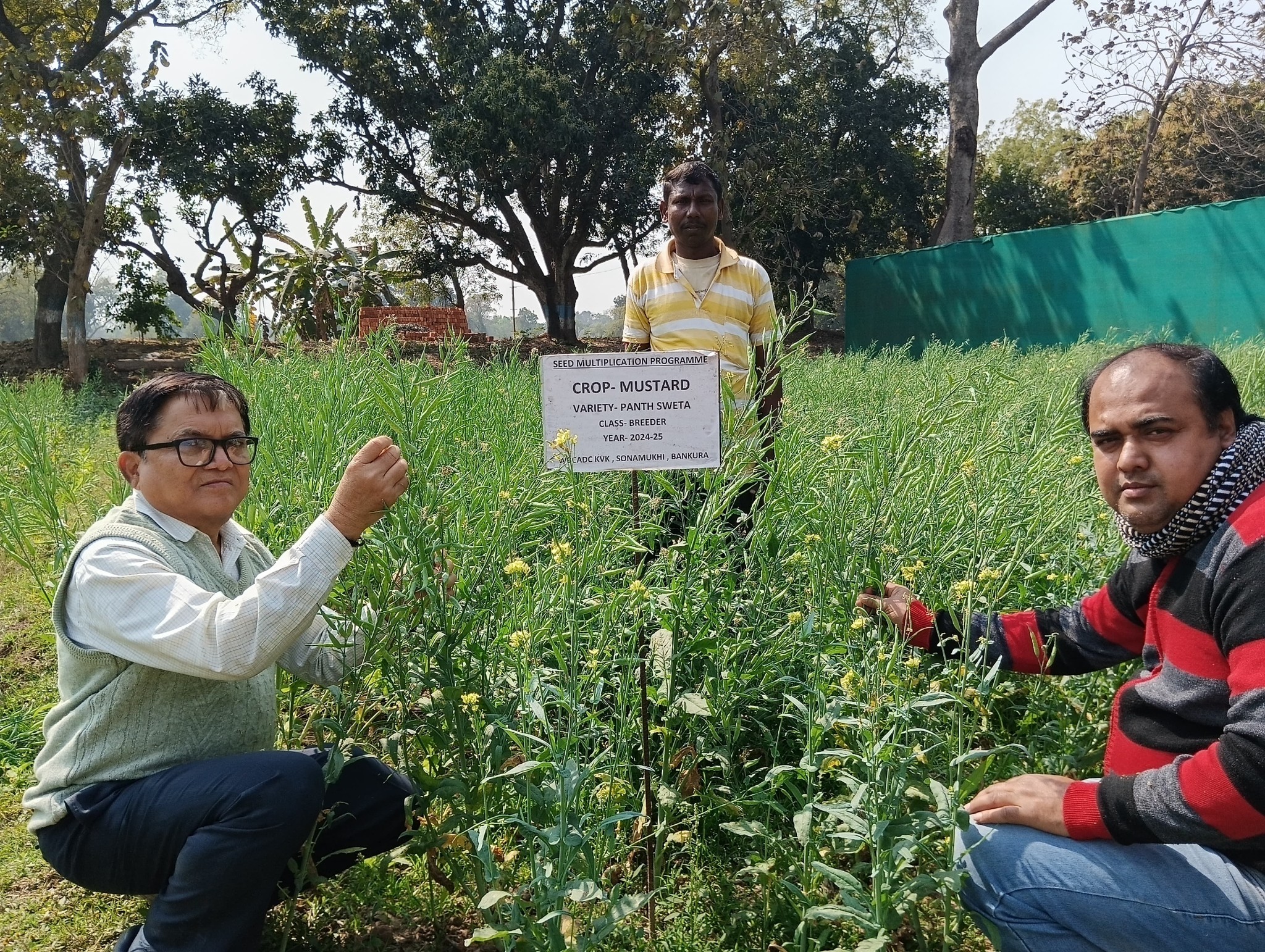
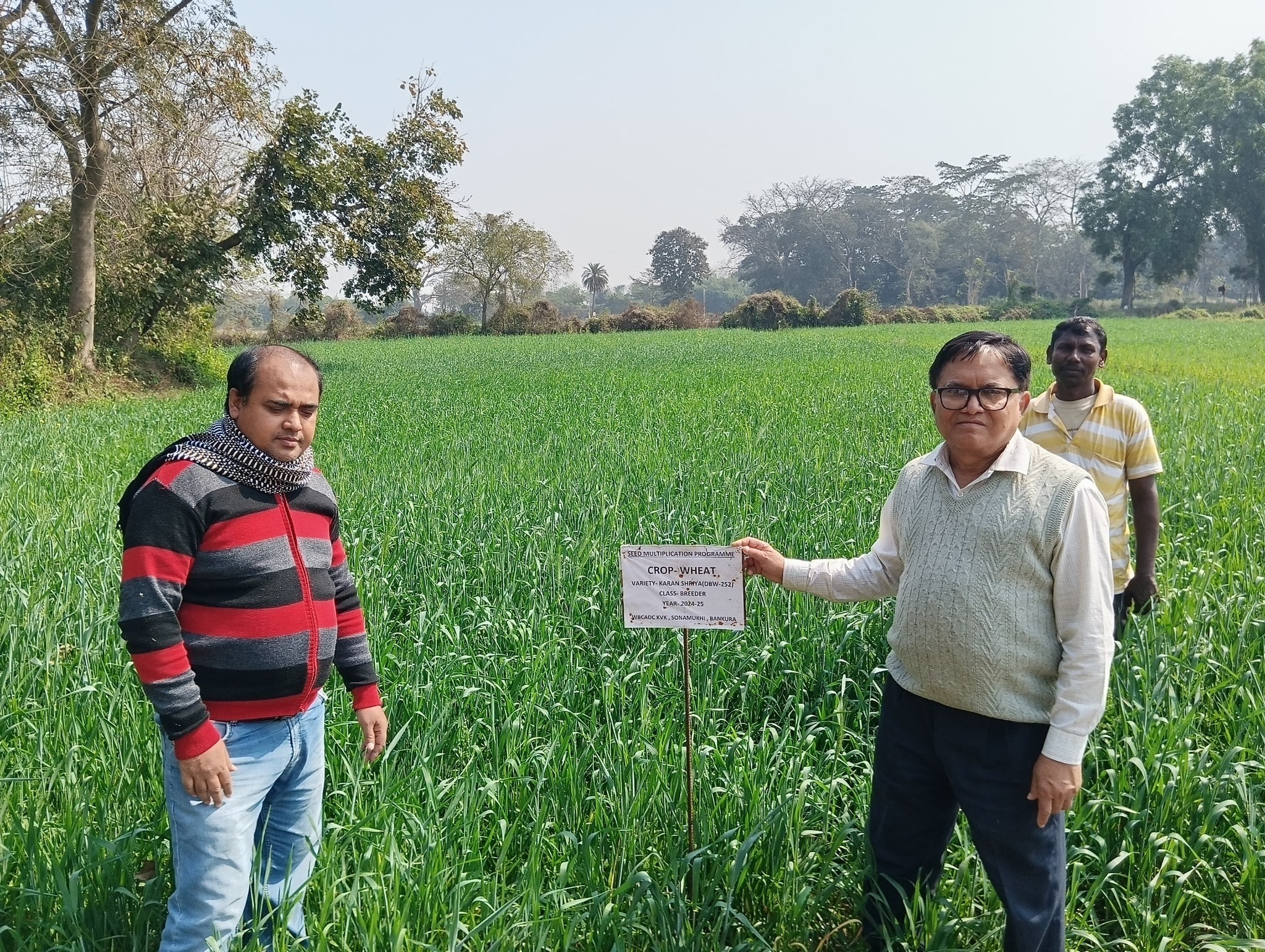
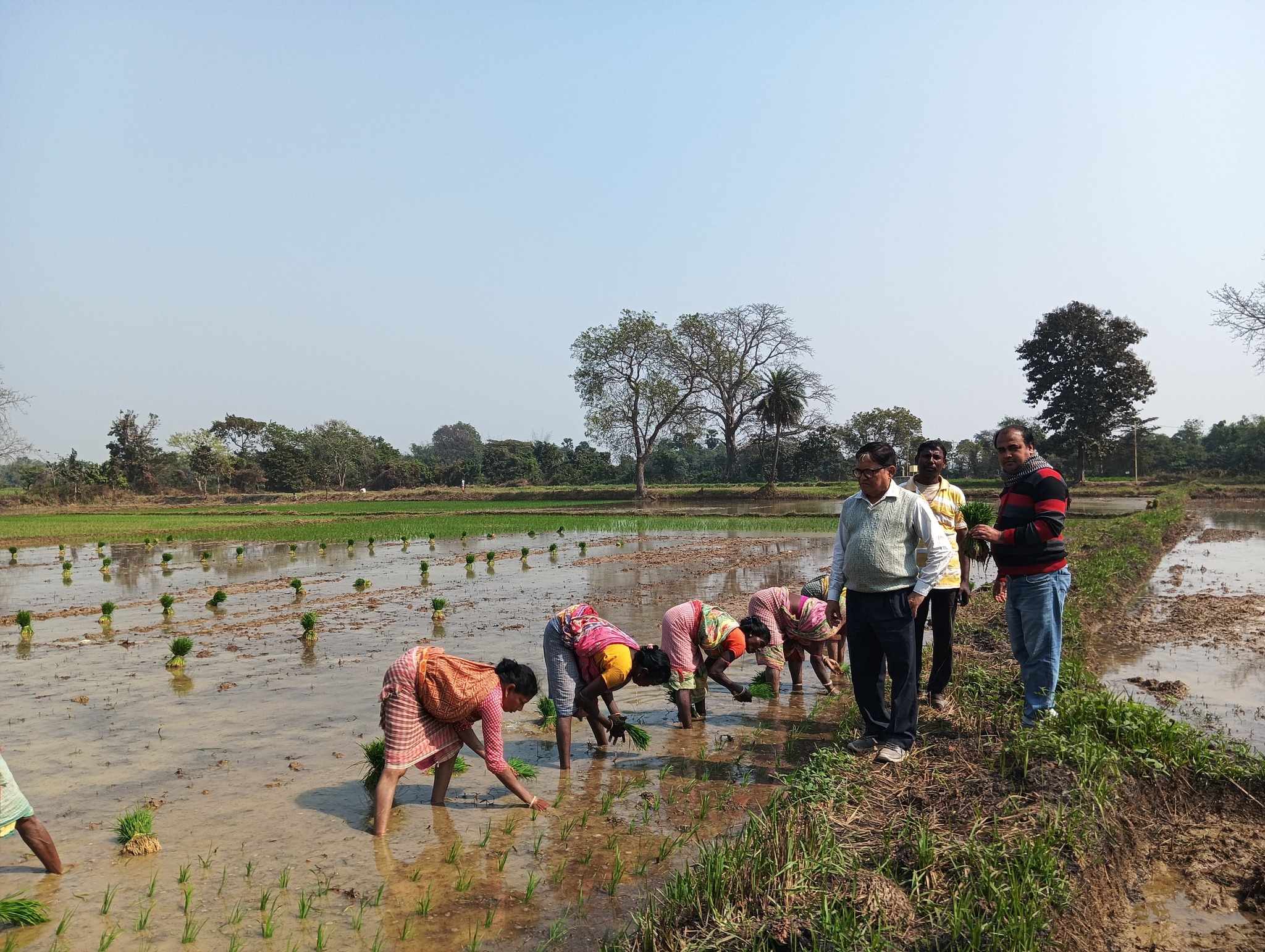
Frontline Demonstrations (FLD): KVKs showcase proven technologies and practices on farmers' fields to demonstrate their effectiveness and encourage adoption by the wider farming community.
Capacity Building: They organize training programs for farmers, farm women, rural youth, and extension workers on various aspects of modern agriculture, including crop production, livestock management, horticulture, and sustainable farming practices.
Advisory Services: KVKs serve as a knowledge hub, providing farmers with expert advice on pest management, soil health, climate-resilient agriculture, and post-harvest technologies.
Multi-Sector Support: They work as resource centers, supporting public, private, and voluntary sector initiatives aimed at improving the agricultural economy of the district.
Quality Input Production: KVKs also produce and make available quality seeds, planting materials, bio-agents, and livestock breeds to farmers.
Impact and achievements
KVKs have a significant impact on Indian agriculture by:
Enhancing productivity and profitability by facilitating the adoption of improved technologies.
Promoting sustainable farming practices, including organic farming, water conservation, and integrated pest management.
Empowering farmers with knowledge and skills, fostering self-reliance and entrepreneurship in rural areas.
Developing and adapting technologies to suit specific regional needs and challenges.
Challenges and future outlook
While playing a vital role, KVKs also face challenges such as resource constraints, limited staff and expertise, and occasional difficulties in adapting to rapidly evolving technologies like precision farming and digital tools.
To address these challenges, it's essential to:
Increase investment and operational support for KVKs.
Embrace modern technologies like AI and IoT to enhance their reach and effectiveness.
Foster stronger collaboration with other institutions and stakeholders in the agricultural sector.
Focus on tailored programs and continuous monitoring to ensure maximum impact and address the specific needs of farmers in diverse regions.
Overall, KVKs are pivotal for the modernization and sustainability of Indian agriculture, playing a crucial role in empowering farmers and contributing to the nation's food security and rural development.